On December 15, 2025, the Ethiopian Lottery Service dropped a bombshell that sent shockwaves through the country's burgeoning sports betting industry. The government revoked the operating licenses of all sports betting organizations nationwide, effective immediately. The decision, framed as necessary "to protect the public interest," followed a sweeping investigation that uncovered widespread financial irregularities, tax evasion, and allegations that billions of birr had been funneled through cryptocurrency and underground banking channels to finance illicit activities. Twenty-four suspects were arrested. Overnight, a $227 million market simply ceased to exist.
But before the doors slammed shut and the mobile apps went dark, something remarkable was happening inside Ethiopia's betting shops and on its digital platforms. Behind the headlines about fraud and national security lay a fascinating story about what this nation of passionate sports fans actually chose to wager on. It was a story shaped by deep sporting knowledge, fierce national pride, and a betting culture that was far more sophisticated than casual observers might assume.
To understand what Ethiopians were betting on, one must first appreciate the sheer scale of the activity. By 2025, the betting in Ethiopia market had grown into a formidable economic force, projected to generate approximately $227.12 million in revenue. With an estimated 1.8 million users expected by 2030 and an average revenue per user of nearly $100, the industry had become deeply woven into the fabric of daily life for many Ethiopians. It was a market driven by a youthful population—roughly 70 percent of the country is classified as youth—eagerly embracing digital entertainment and the thrill of predicting sporting outcomes. Local betting shops buzzed with activity, mobile apps flourished, and international sporting events became focal points for collective excitement and, for many, financial hope.
So, what exactly were these millions of punters putting their money on?
The Undisputed King: Football
If there was one sport that dominated the betting landscape in Ethiopia, it was football. Not just any football—the beautiful game in all its global glory. Local punters were not casual bettors throwing money at random teams. They were knowledgeable, meticulous, and deeply engaged with the sport.
The English Premier League reigned supreme. On any given weekend, betting shops across Addis Ababa and beyond would transform into lively hubs of analysis and anticipation. Fans meticulously tracked lineups, studied injury reports, and scrutinized form guides before placing their wagers. The Premier League's popularity was so immense that one Ethiopian betting company, Hulu Sport Betting PLC, even included Ethiopian Premier League matches in their offerings, blending international and domestic football into a single, comprehensive betting menu. The UEFA Champions League also drew massive attention, with fans glued to club statistics, projected lineups, and the constant fluctuations of odds. European derbies and title races could turn a quiet shop into a haven of betting slips and animated discussion. Interestingly, Ethiopian football fans had their favorite clubs too—Arsenal led the pack, followed closely by Manchester United and Chelsea.
The domestic Ethiopian Premier League itself was not overlooked. In the 2025/26 season, the competition expanded to 20 clubs, drawn into two groups of ten, with a full schedule of 380 matches staged across four host cities. For local bettors who knew the ins and outs of their domestic league, this presented ample opportunities to leverage their insider knowledge.
A Matter of National Pride: Long-Distance Running
Here is where Ethiopia's betting culture diverged from almost every other nation on earth. In most countries, long-distance running is a niche betting market at best. In Ethiopia, it was a matter of national identity—and a surprisingly popular betting frontier.
Ethiopia considers long-distance running a national sport. This is not hyperbole. The country has produced some of the greatest distance runners in human history: Abebe Bikila, Kenenisa Bekele, Derartu Tulu, Haile Gebrselassie, and more recently, Tigist Assefa. Half of the world's top 10 marathon runners are Ethiopian—both male and female. This dominance transformed running events into something far more than athletic competitions; they became expressions of national pride. And where there is pride, there is betting.
Ethiopian punters approached running bets with a level of precision and passion rarely seen in other markets. Unlike football, where casual guessing was common, running bets were informed by deep knowledge. Bettors examined previous performances, recent times, and even weather conditions before making a wager. They tracked the personal bests of elite Ethiopian runners and followed their training cycles. Shops and apps set odds on various wagers, including time splits, podium finishes, and head-to-head matchups between rival athletes.
The most popular events for running bets included the Berlin Marathon, the London Marathon, major track events at the World Championships, and local meets featuring emerging star athletes. The Great Run event in Ethiopia, a 10-kilometer spectacle of "sweat, dance, color, and chaos," also carved out its own small but growing niche for betting, linking fans, visitors, and sports enthusiasts in fresh and modern ways.
The allure of betting on Ethiopian runners was understandable—after all, it offered high chances of success. However, it was never a guaranteed win. The fierce competition from Kenyan athletes and the unpredictable nature of elite sport meant that even the most confident bets carried risk. Still, for those willing to do the research, betting on Ethiopian champions could be highly profitable.
The Global Stage: World Cups and International Spectacles
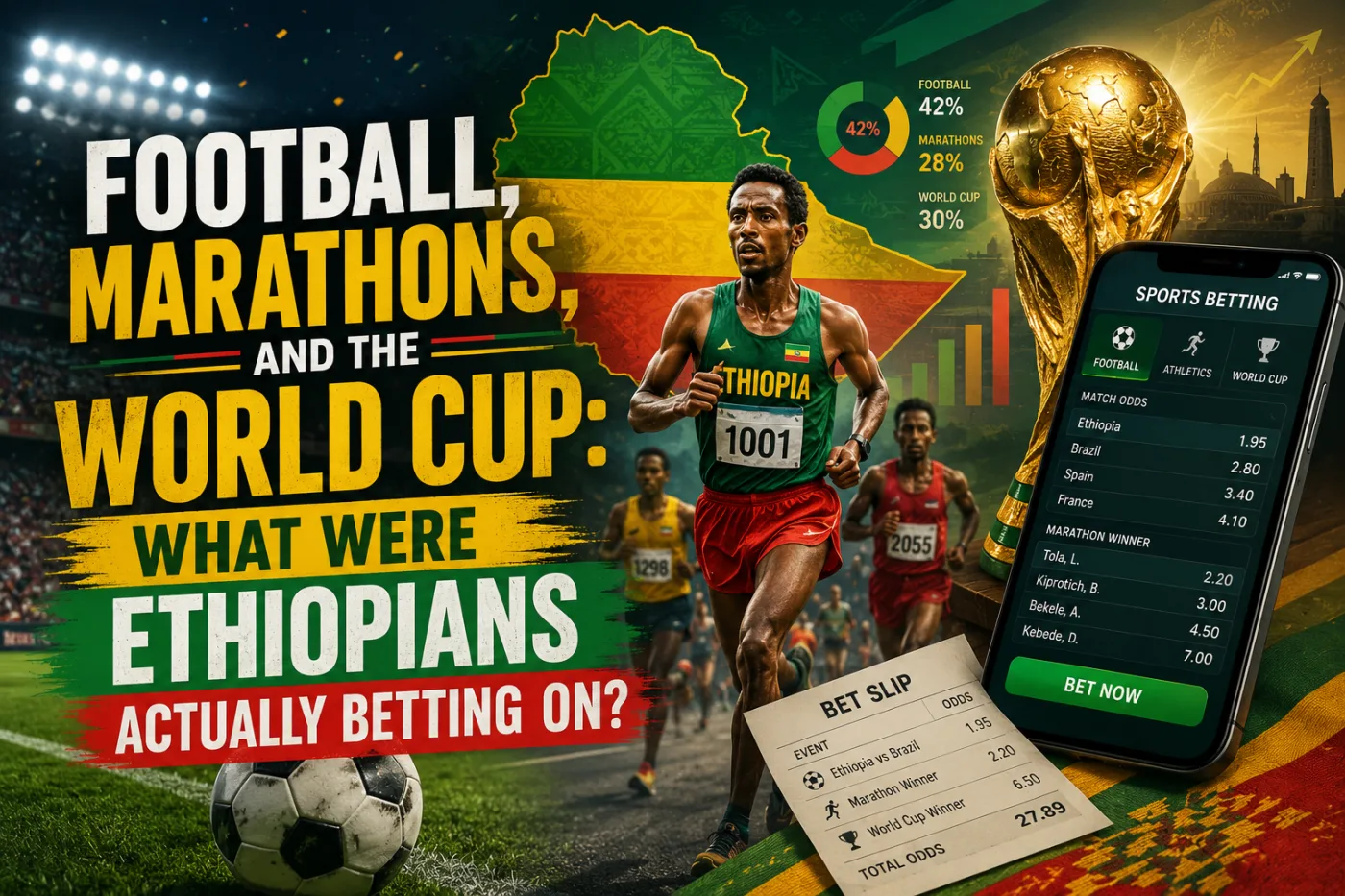
Beyond football and running, Ethiopian bettors cast their nets wide, following global competitions with keen interest. The FIFA World Cup was the undisputed leader among international tournaments. Lines were posted months in advance, and bettors would analyze qualifiers, injuries, and tactical changes long before the group stage even began. The 2022 World Cup saw all five African nations fail to win their opening matches, but that did nothing to dampen the enthusiasm of Ethiopian punters. The 2026 World Cup—the first-ever with 48 teams—promised even more betting opportunities, with dedicated guides covering outright odds, group stage betting, and how to follow African teams.
The Olympics also carried significant importance for Ethiopian bettors, especially for athletics, basketball, and boxing. Many betting shops adjusted their staff and hours to meet client demand during these peak periods. The UEFA Champions League, as mentioned, was another major draw, with fans eagerly chasing multi-leg parlays or live bets during match days.
Interestingly, Ethiopian bettors also ventured into niche international sports. Tennis Grand Slams attracted attention from those who studied comprehensive head-to-head records. Boxing title fights featuring popular name fighters drew their own devoted following. Even the Rugby World Cup found a small but passionate audience among fans of highly physical and strategic sports. These markets, though not widely advertised, rewarded players who came prepared.
The Strategic Bettor
One of the most striking features of Ethiopian betting culture was its strategic nature. This was not random gambling; it was a highly strategic endeavor that required constant monitoring of data. Successful bettors focused on choosing the right sports disciplines—running events in summer and football or basketball in winter to maintain earnings year-round. They analyzed statistics, studied current form, used sports resources and expert blogs, and considered external factors like weather conditions, opponents, and crowd support.
Profits came from solid analysis, not emotional attachments. Responsible bettors managed their stakes and deposits wisely, made well-thought-out decisions, and practiced effective bankroll management. It was a culture that rewarded knowledge, discipline, and patience.
The Aftermath
The December 2025 ban brought this vibrant, complex, and deeply embedded betting culture to an abrupt halt. The government's investigation had uncovered that 22 betting companies—including major players like Betika, Dash Bet, and Jambo Bet—had concealed more than 100 billion birr in government revenue. Operators were accused of using international online platforms and local payment-service providers to obscure transactions. Some of the concealed funds were reportedly intended to finance terrorism and anti-peace groups.
Beyond the financial scandal, there were genuine social concerns. University students had described academic failure, financial distress, and psychological harm linked to gambling addiction. Students interviewed said they borrowed money from family members and digital credit services like Telebirr to finance gambling. With 70 percent of Ethiopia's population classified as youth, the vulnerability of young people to gambling platforms had become a pressing concern. The World Health Organization had identified gambling as a public health concern, linking it to mental health problems, sleep disorders, and relationship difficulties.
Today, Ethiopia's sports betting industry exists only in memory. The shops are closed. The apps are dark. The betting slips that once filled the streets of Addis Ababa are gone. But the story of what Ethiopians bet on—the Premier League matches they analyzed with surgical precision, the marathons they watched with nationalistic fervor, the World Cup tournaments they followed with global ambition—remains a fascinating chapter in the nation's sporting history. It was a market built on knowledge, pride, and the eternal human hope that a well-placed bet might just change everything.